

No-Code AI Tools: How Non-Developers Are Building Smart Dashboards
Not that long ago, putting “AI” and “analytics” in the same sentence usually meant one thing. You were going to need a developer, a data scientist, and a fair bit of patience.
For everyone else, dashboards were fine. They showed last month’s numbers, a few charts, maybe a trend line if things got fancy. Useful enough, but not exactly intelligent.
Fast forward to today and the picture looks very different. Thanks to no-code AI tools, people without a technical background are building dashboards that do more than just report what already happened. They help explain why it happened and what might be coming next.
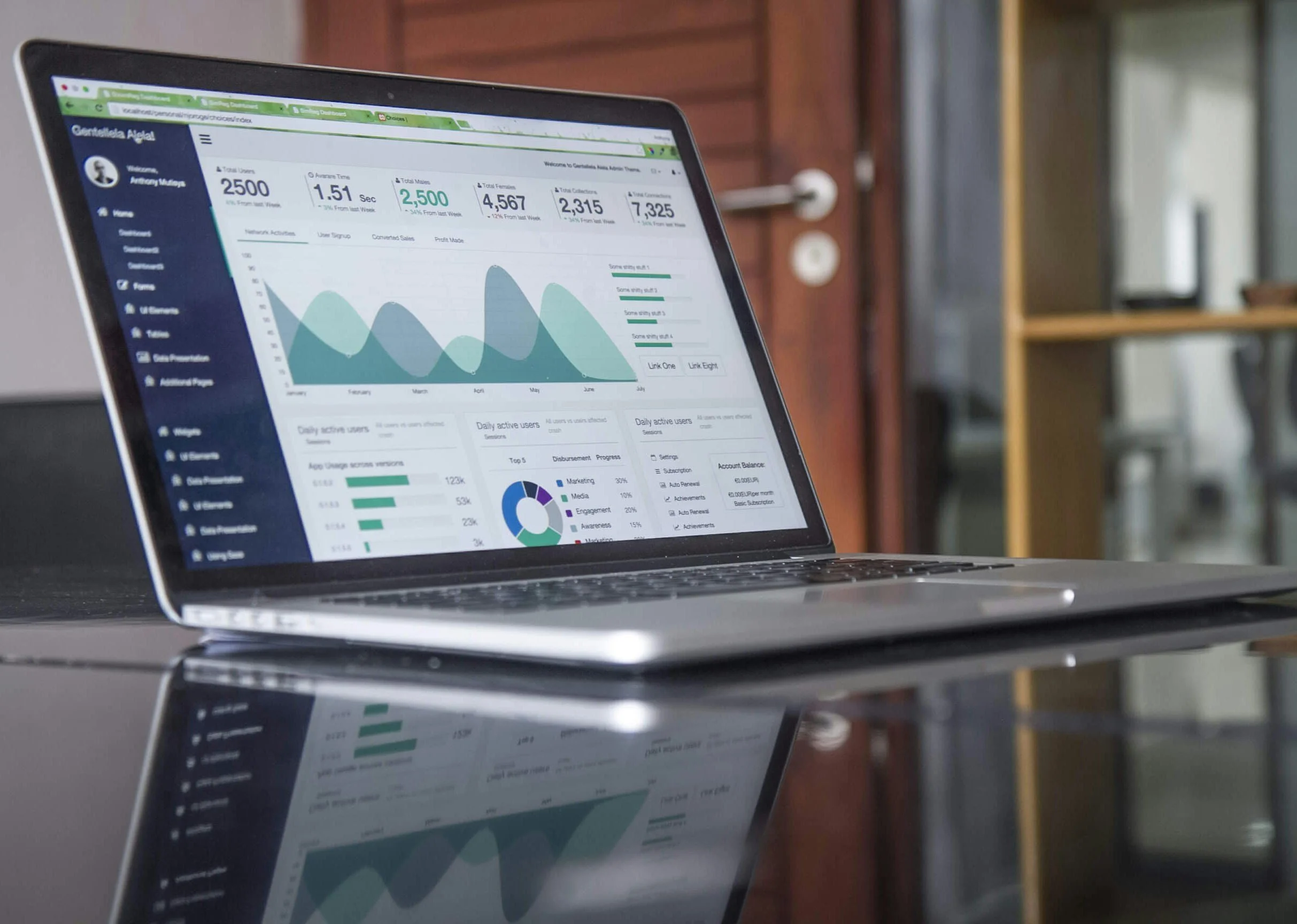
When Dashboards Got Interesting
Traditional dashboards are great at hindsight. Sales went up. Costs went down. Something strange happened last Tuesday and no one is entirely sure why.
Smarter dashboards are more proactive. They flag unusual behaviour, surface patterns you might have missed, and in some cases even predict what is likely to happen next. They feel less like static reports and more like a second set of eyes on your data.
The best part is that you do not need to write code or understand complex models to build them anymore.
So What Actually Changed?
Two big things.
First, no-code tools genuinely improved. Instead of wrestling with scripts and hoping nothing breaks, users can now drag, drop, and connect data visually. The logic is clear, the steps are repeatable, and it is much easier to explain what is going on to someone else.
Second, businesses ran out of patience. Data volumes grew, decisions needed to be faster, and waiting weeks for a report update stopped being acceptable. Teams wanted answers now, not after the next development cycle.
No-code AI turned out to be the sweet spot between speed and control.
This is where tools like Alteryx, and especially Alteryx Auto Insights, really stand out. Auto Insights can analyse entire datasets in minutes, automatically highlighting key drivers, trends, and anomalies without someone having to manually dig through endless charts.
How Non-Developers Are Actually Doing This
It usually starts with messy data and someone who just wants it to make sense.
Tools like Alteryx allow non-developers to clean, blend, and prepare data without complicated formulas or fragile spreadsheets. Every step is visible, repeatable, and easy to audit, which already solves a lot of everyday frustration.
Once the data is in good shape, the AI layer comes into play. Forecasting, clustering, and anomaly detection are added through guided workflows. With Auto Insights, users can ask plain language questions and get clear explanations of what changed and why. There is no need to memorise algorithms or debug late into the evening. The focus stays on practical questions like what is driving this increase or whether that spike is something to worry about.
From Better Data to Better Dashboards
The real win is not replacing dashboards, but feeding them better data.
Alteryx often works behind the scenes alongside tools like Power BI, doing the heavy lifting before anything appears on screen. By the time a dashboard refreshes, the data has already been cleaned, enriched, and analysed. Auto Insights adds another layer by automatically generating narratives and insights that can sit alongside traditional visuals.
For some teams, Auto Insights even becomes the main way they explore data. Since it is now included at no extra cost, more organisations are using it to push insights directly to stakeholders without asking them to interpret charts themselves.
Yes, There Is a Catch
No-code does not mean no thinking.
AI is excellent at spotting patterns, but it does not understand business context, regulation, or that one unusual event everyone forgot to mention. Smart dashboards still need clear definitions, good governance, and people who understand what the data represents.
Used well, no-code AI is empowering. Used badly, it is simply a faster way to be confidently wrong.
Why This Is Working So Well
Across finance, risk, operations, and compliance teams in Jersey and the Channel Islands, we see the same shift happening. The people closest to the business problems are now building the analytics themselves.
They move faster, trust the results more, and spend far less time waiting for small changes to be made by someone else. Alteryx plays a big role in this by handling data preparation, applying consistent logic, and keeping everything transparent enough to stand up to scrutiny. Auto Insights then helps turn that prepared data into explanations people can actually understand.
Final Thoughts: Smarter Dashboards, Fewer Headaches
No-code AI has quietly changed how analytics gets done.
Non-developers are no longer limited to static dashboards or long wish lists for the data team. They are building smarter, more responsive analytics that genuinely support decision-making.
And honestly, anything that makes dashboards more useful and data work less painful is probably a step in the right direction.